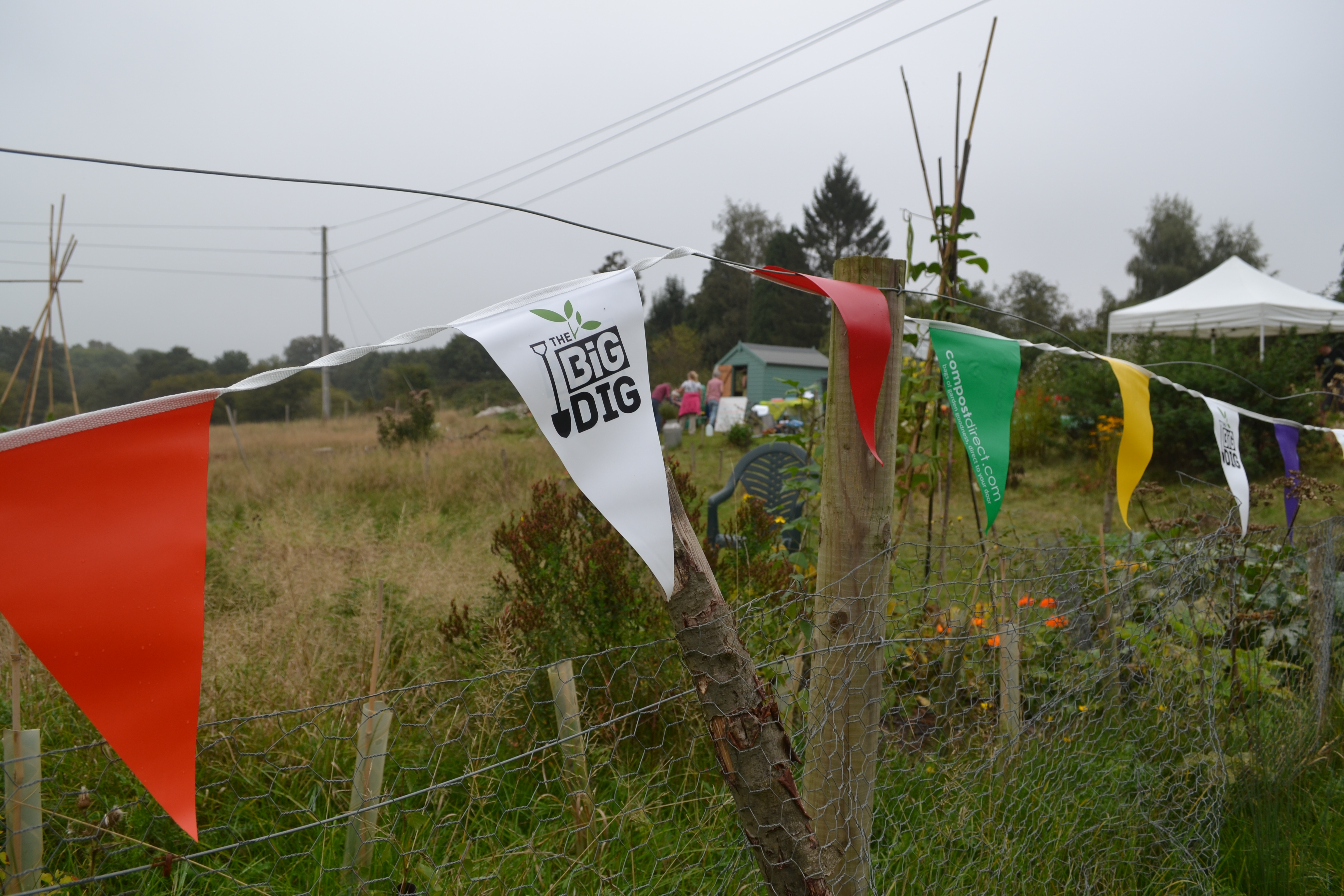
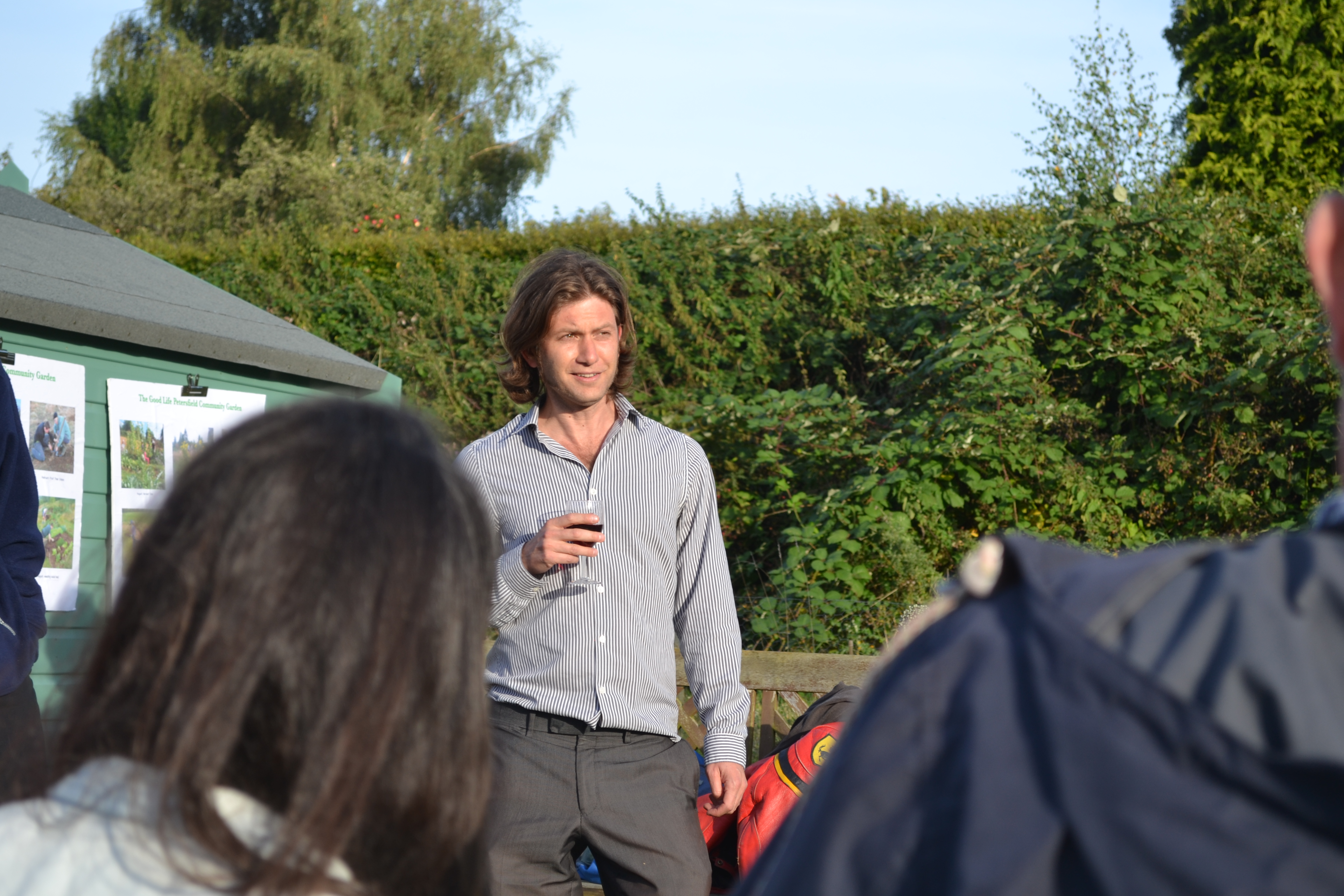
On 2oth September, we had an open day as part of the ‘Big Dig’ edible gardens open day, with food and activities to show what we were doing at the garden.
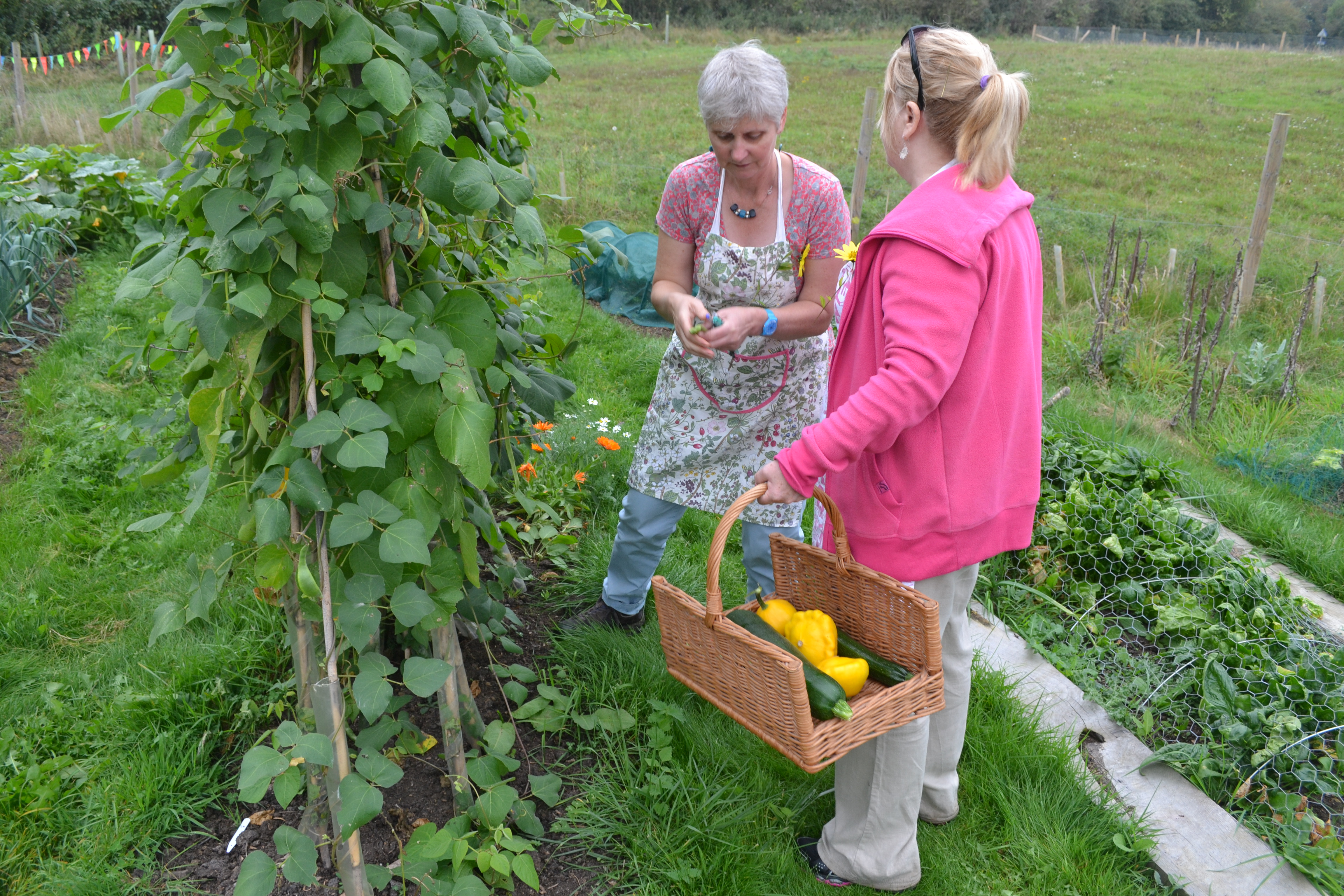

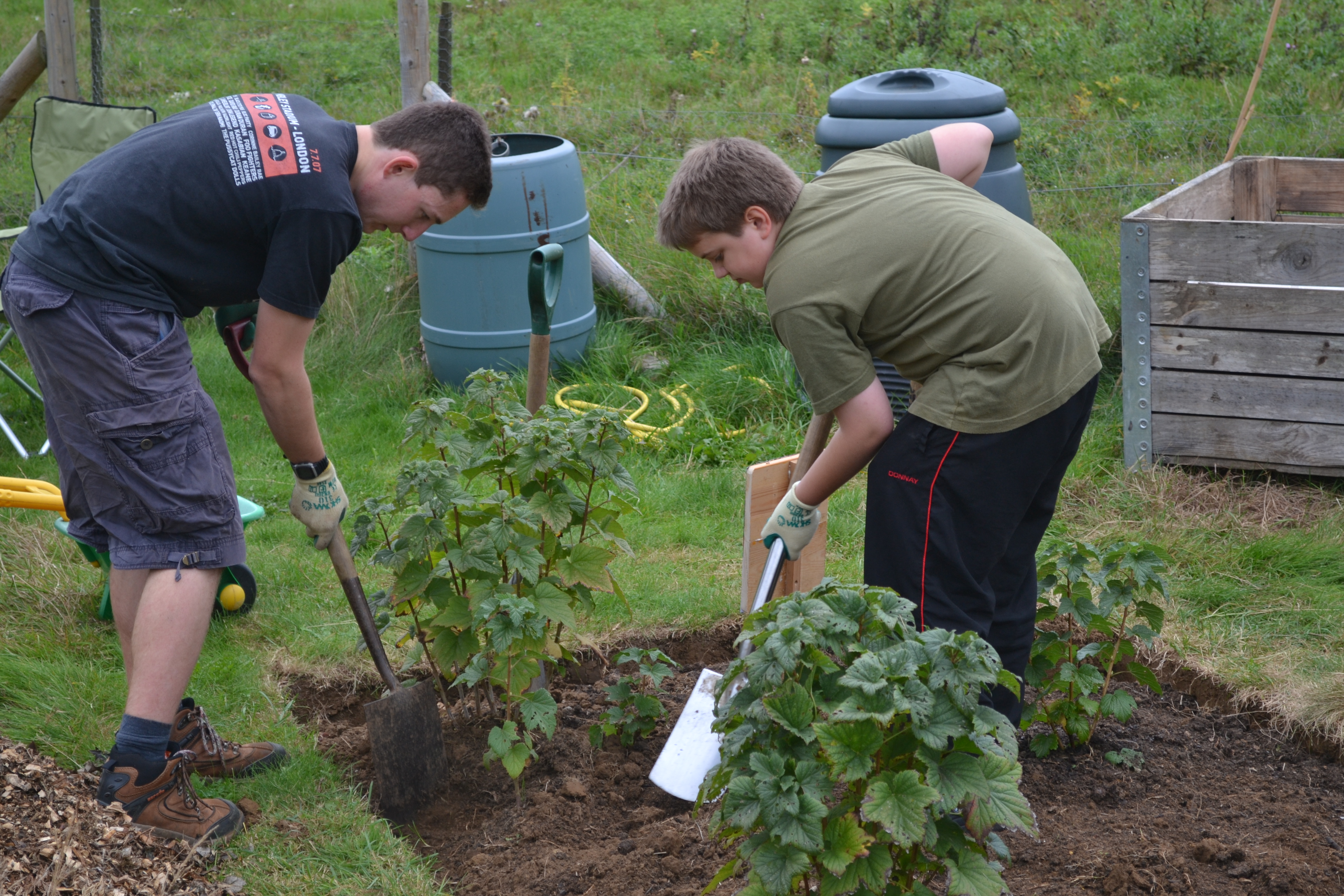
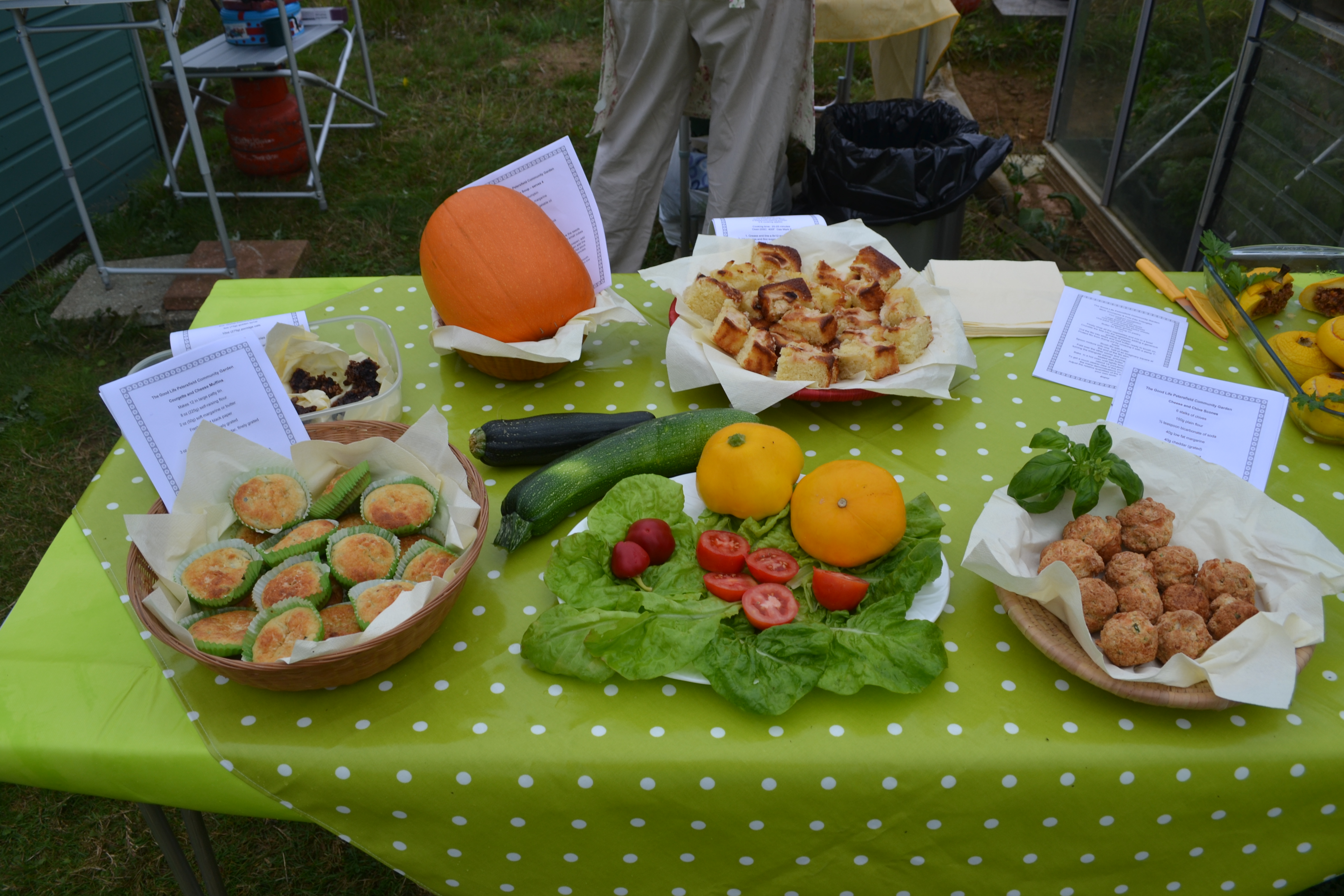
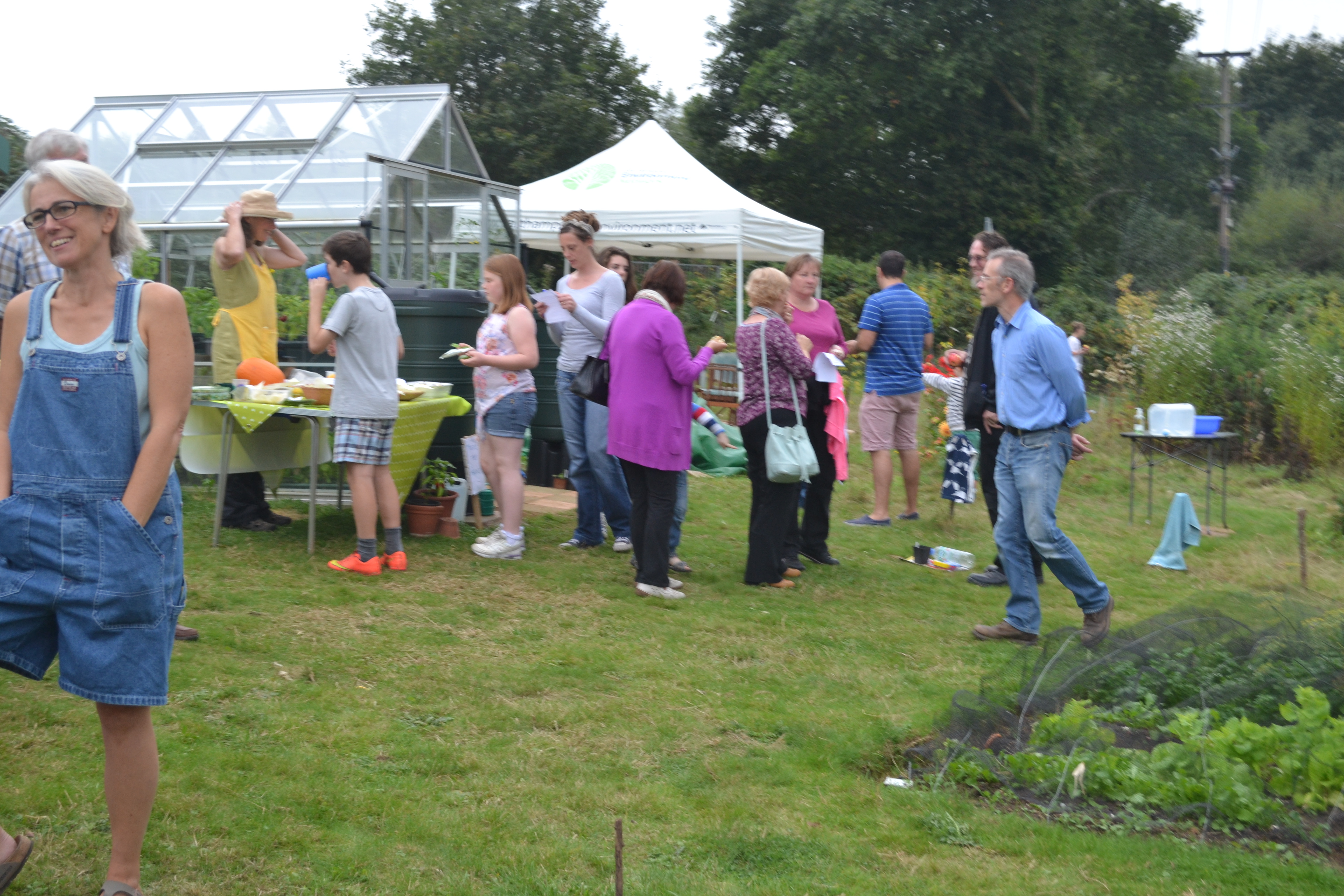
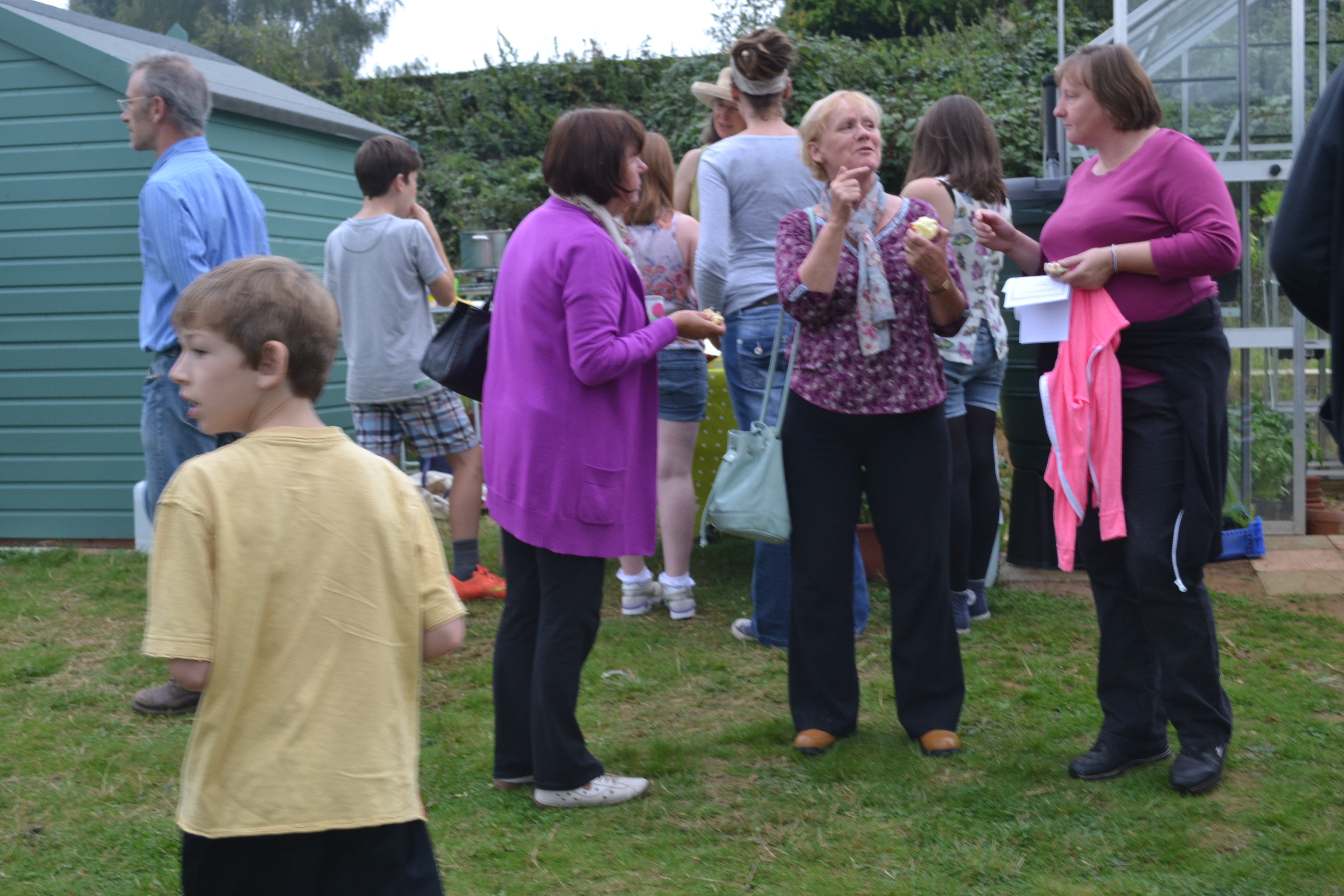
Forty five people came to look round and see what we were up to.
On 2oth September, we had an open day as part of the ‘Big Dig’ edible gardens open day, with food and activities to show what we were doing at the garden.
Forty five people came to look round and see what we were up to.
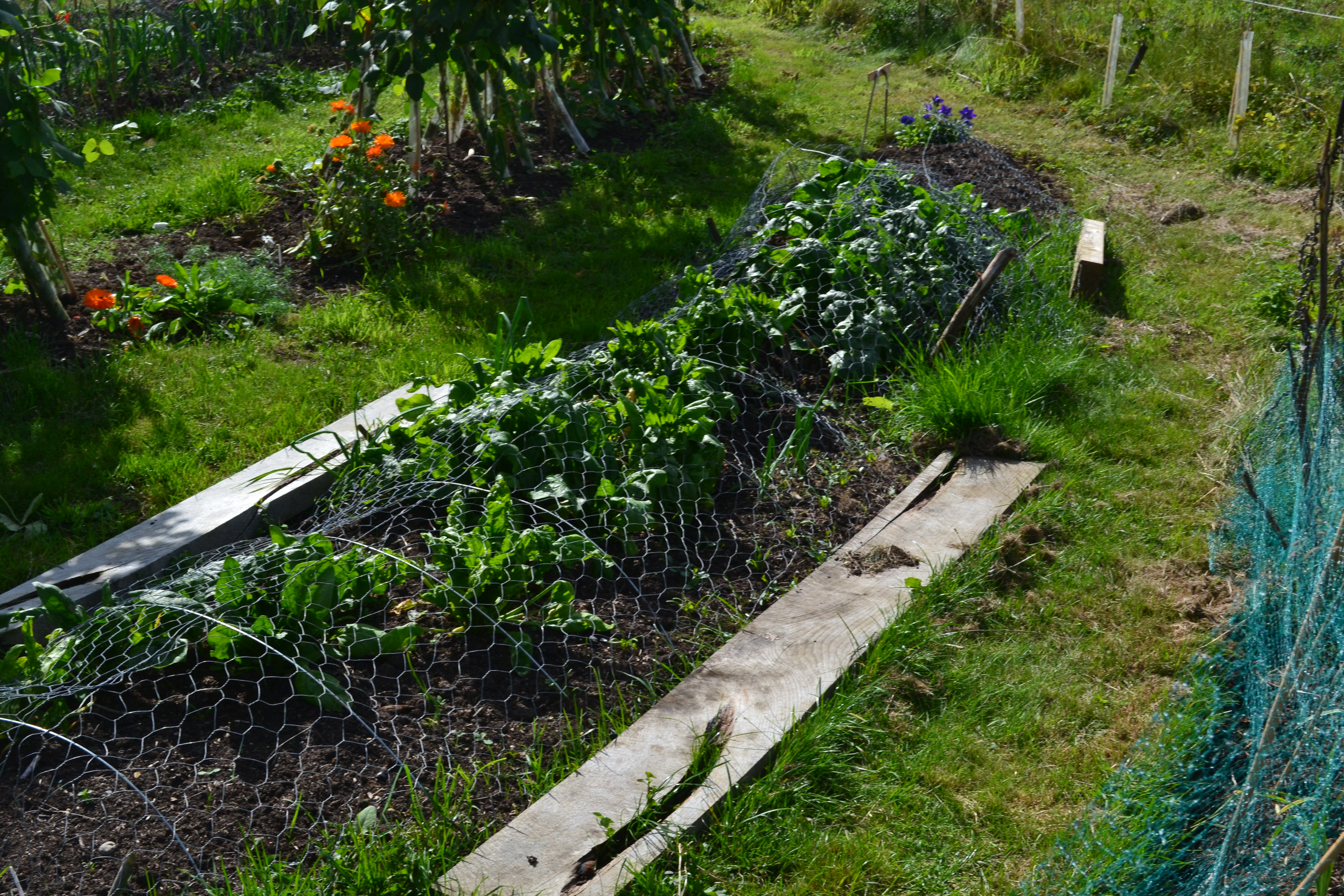
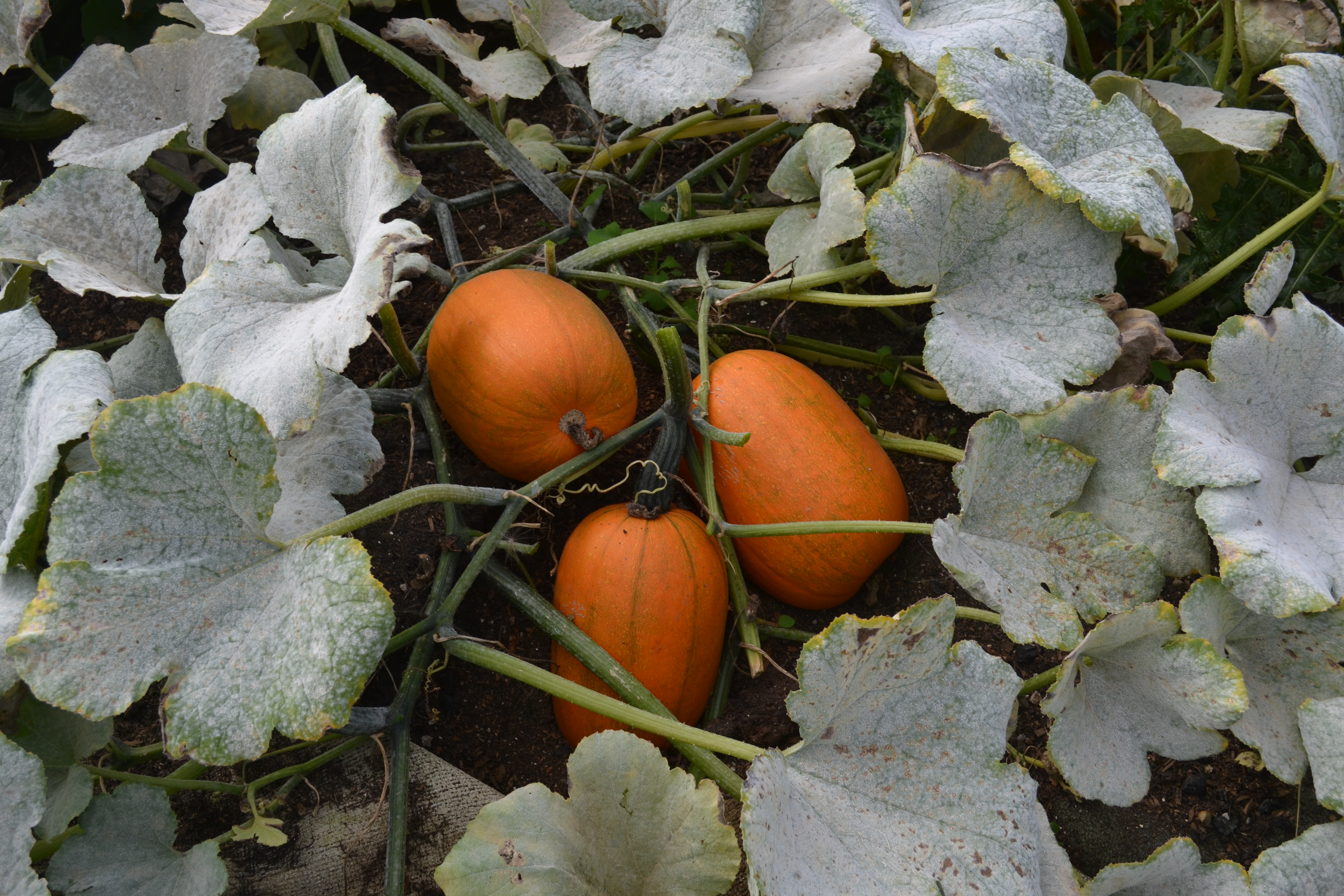
Growing squashes on the remains of our manure heap not only gave us pumpkins, but suppressed nettles and other weeds that would otherwise have grown there.
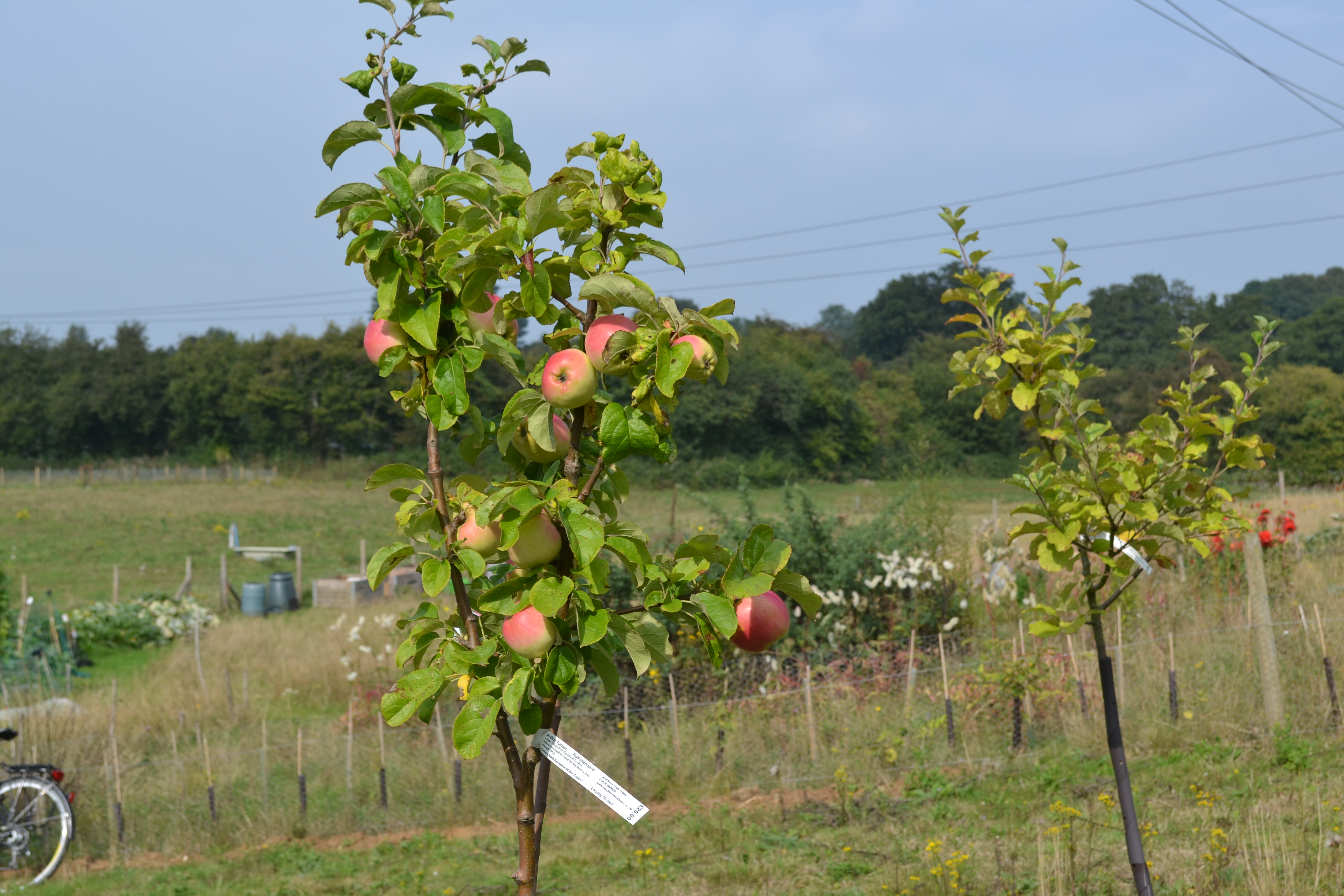
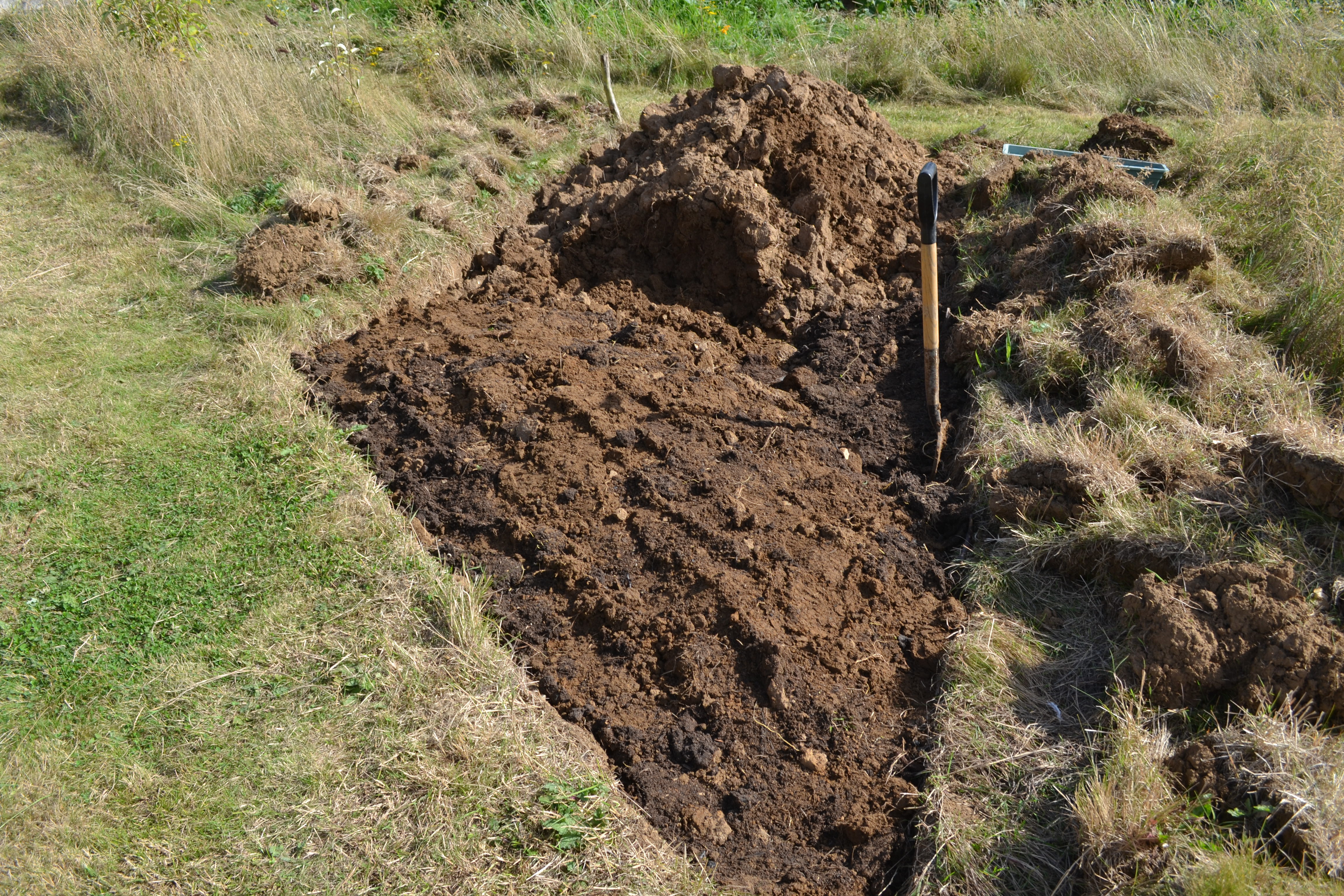
Dug a spade-depth down to incorporate plenty of compost
On 28th August our greenhouse was formally opened by Mark Rose, the Grants Coordinator of the South Downs National Park Authority, who gave the grant that enabled us to buy it
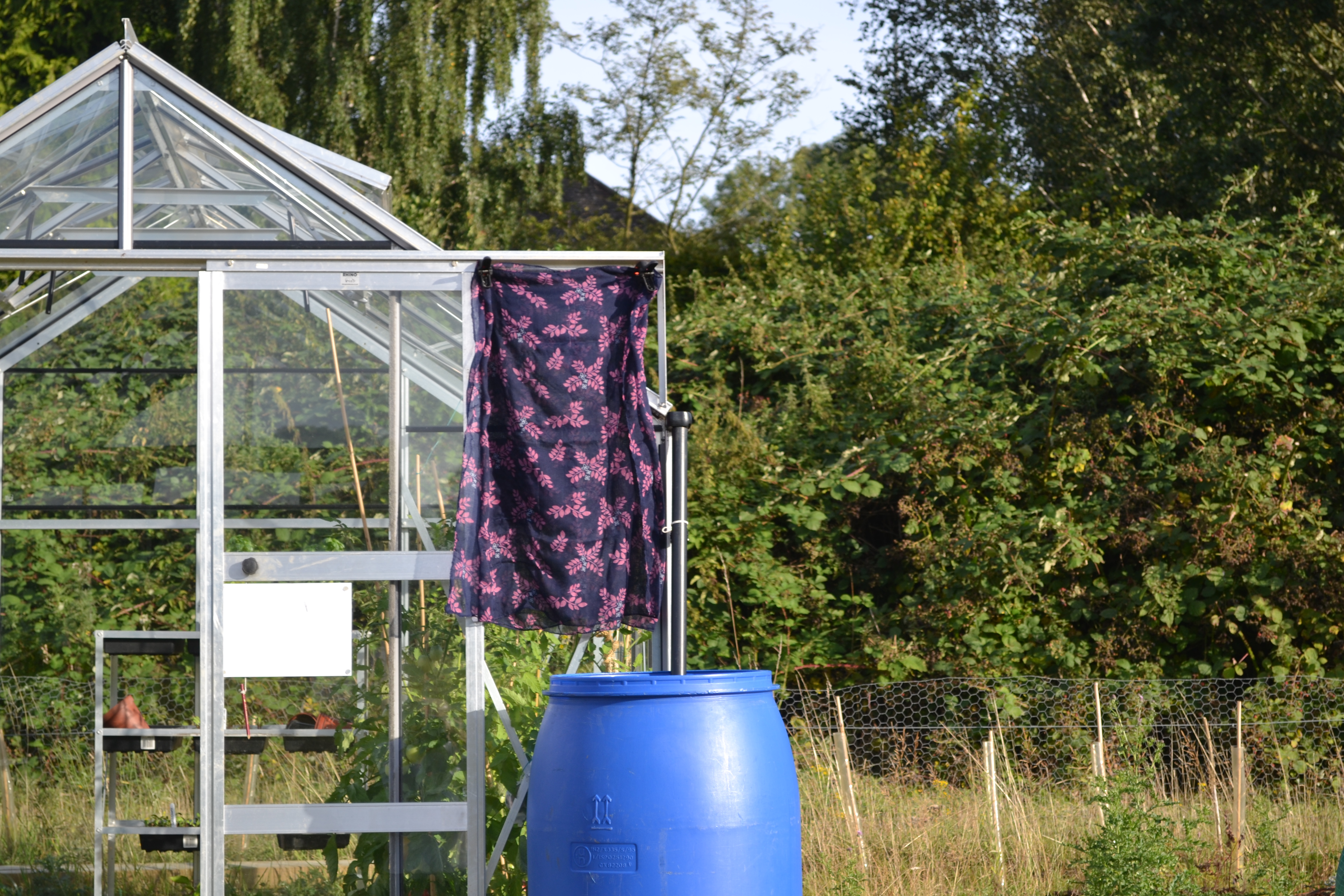
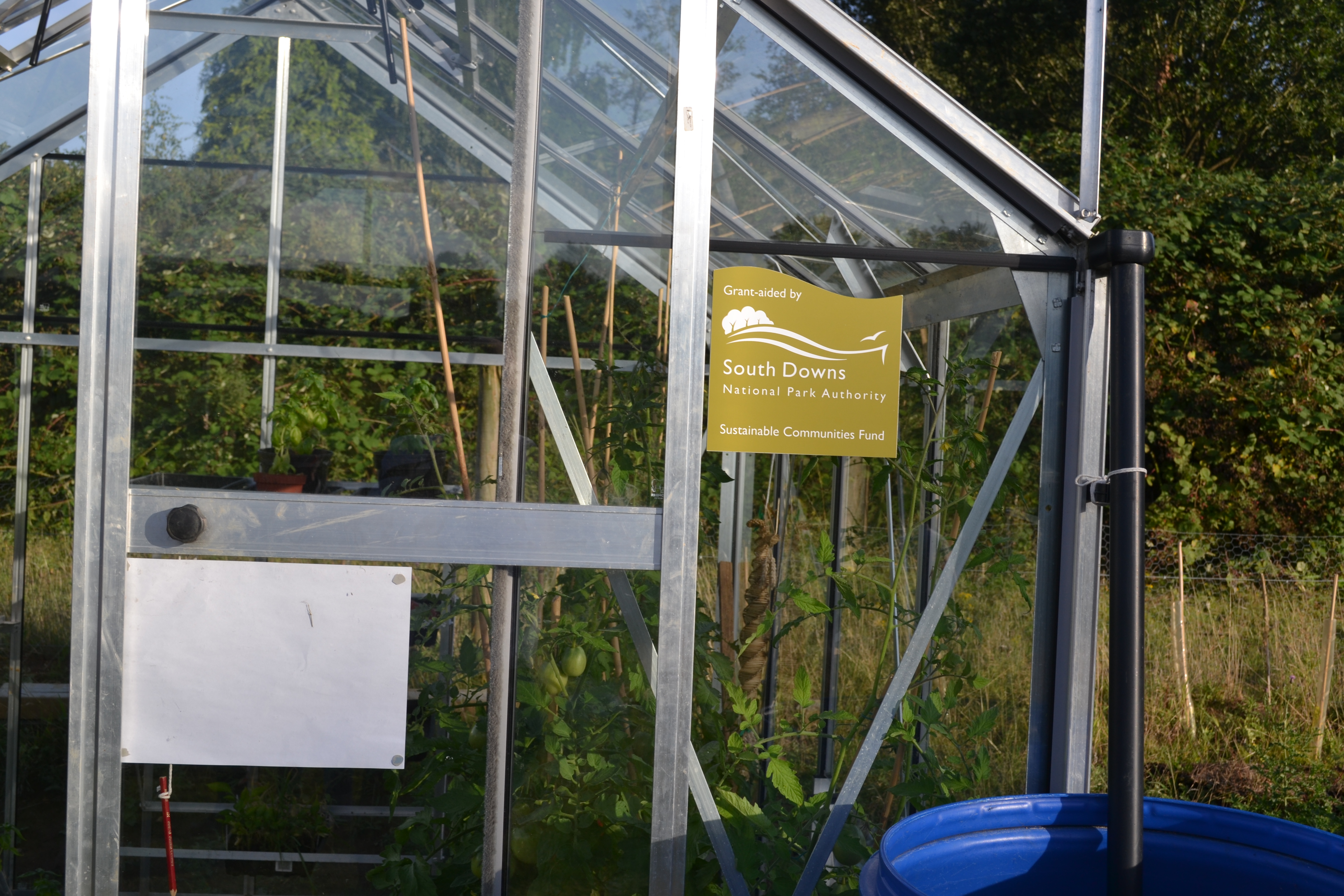
We’re very grateful to the National Park Authority for their assistance with this and in other ways
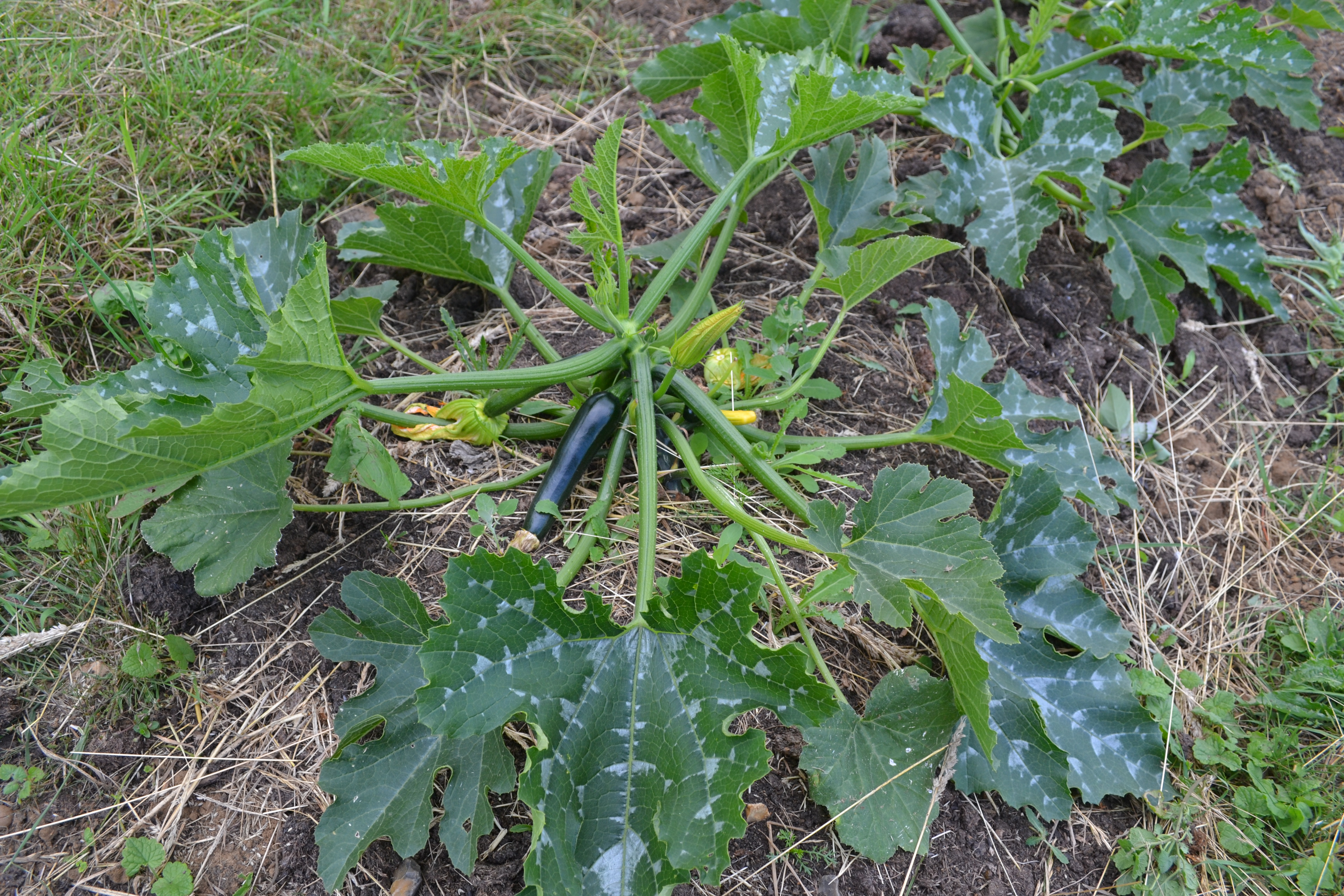
Our first flush of lettuces have finished, but the courgettes are starting: if you’re at the garden do check and harvest any that are large enough, as the more we pick the more they’ll produce.
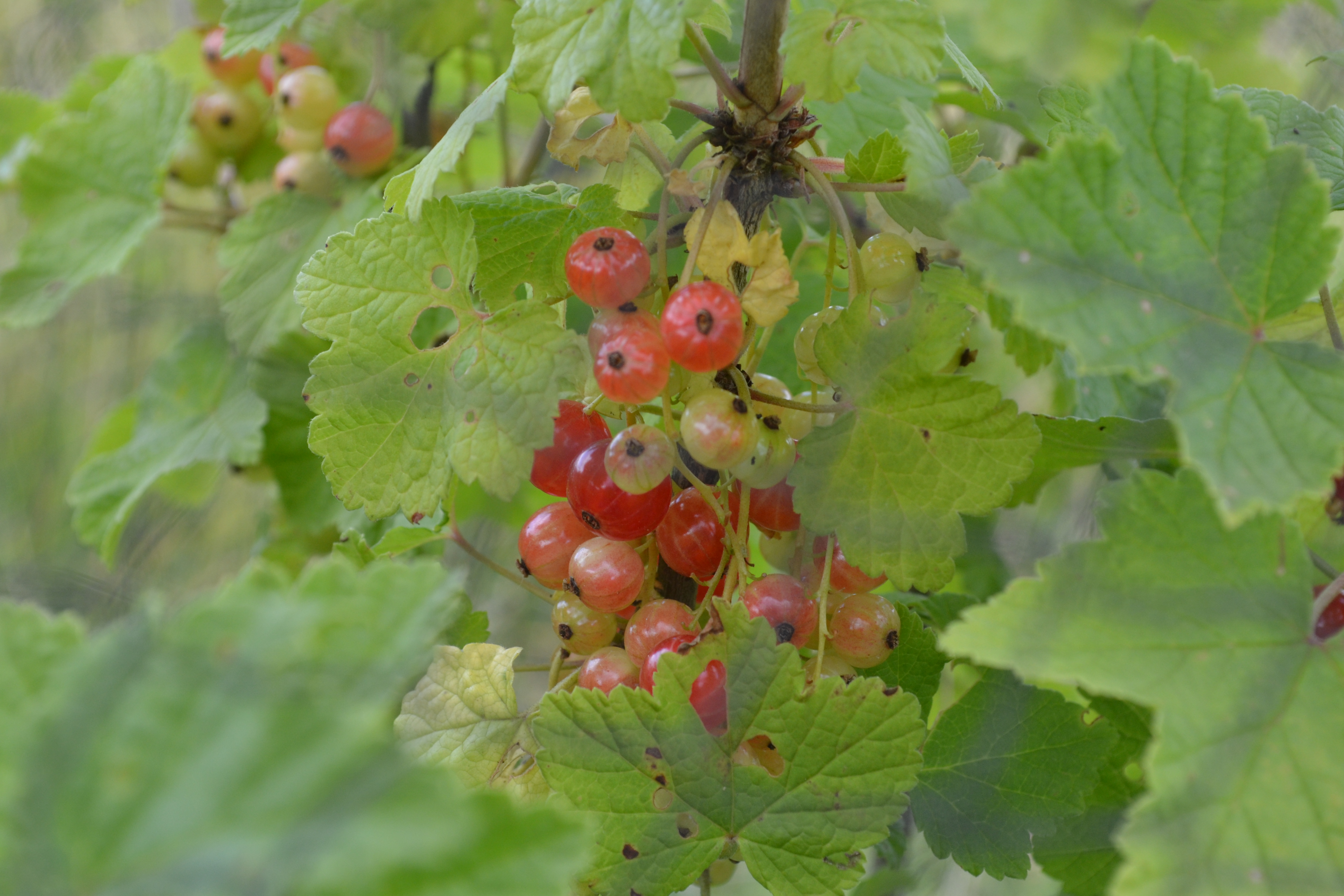
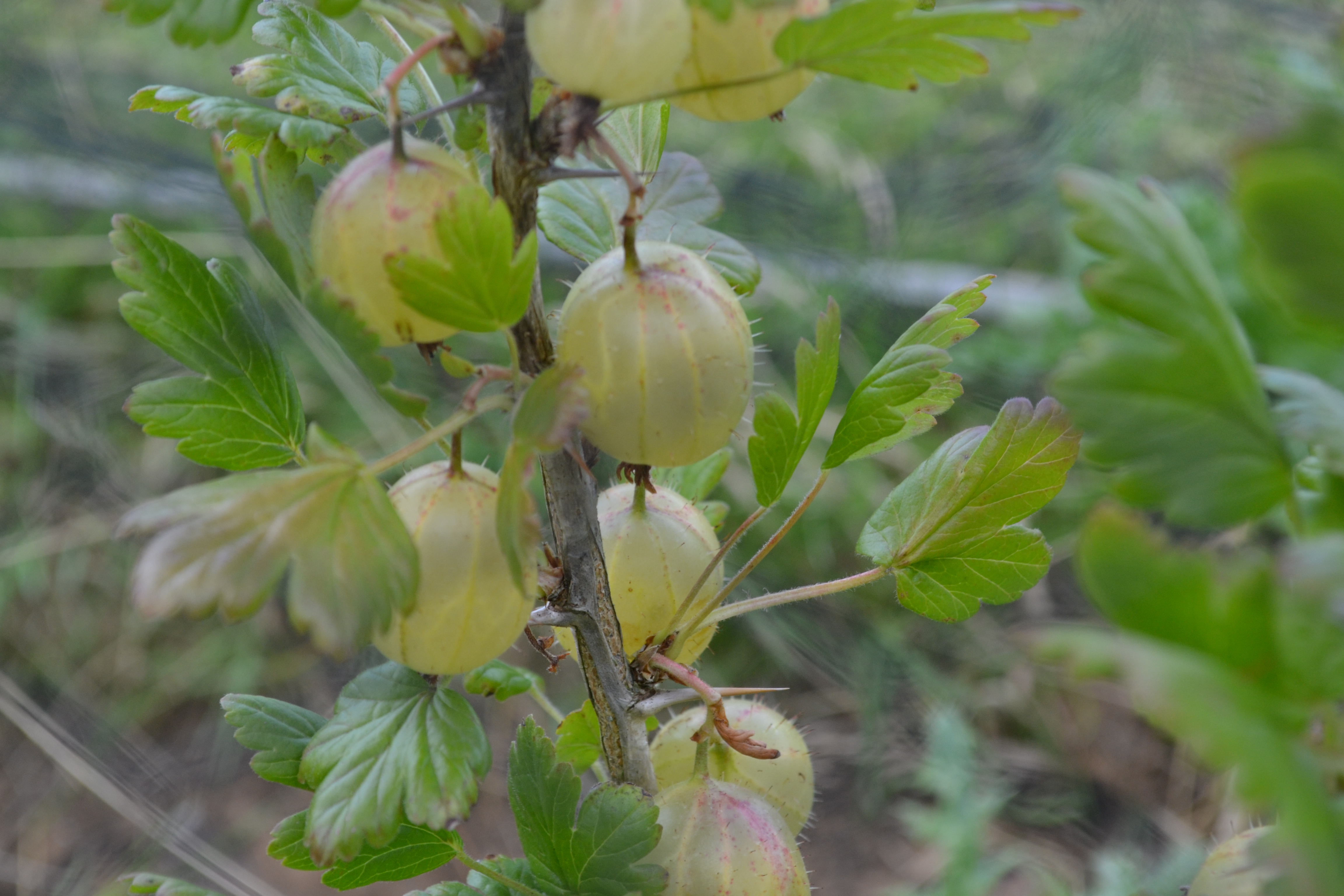
Meanwhile the redcurrant and gooseberry bushes fruit are ripening, and should be ready to pick in a couple of weeks
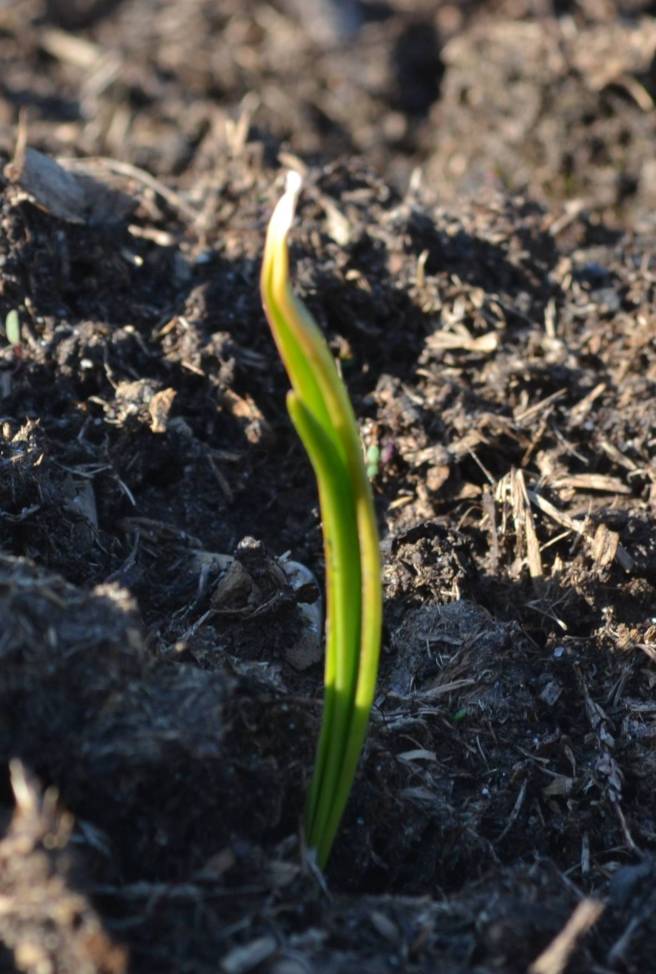
We have basil, peppers and tomatoes in the greenhouse, and runner beans, garlic and globe artichokes growing away.
We also have rabbits – the tops of leeks poking through wire mesh protection have been nibbled off, as have the bottom leaves of runner beans (we’ve put tree protectors round them!) A check of the perimeter revealed a weak point by our ‘back gate’ through the fence, which we’ve now blocked. This may have trapped rabbits in the garden, so we may have to catch and remove them

Our new shed arrived on June 10th. So far it has our tool store and a white board with a to-do list, but we need to decide how best to use the space
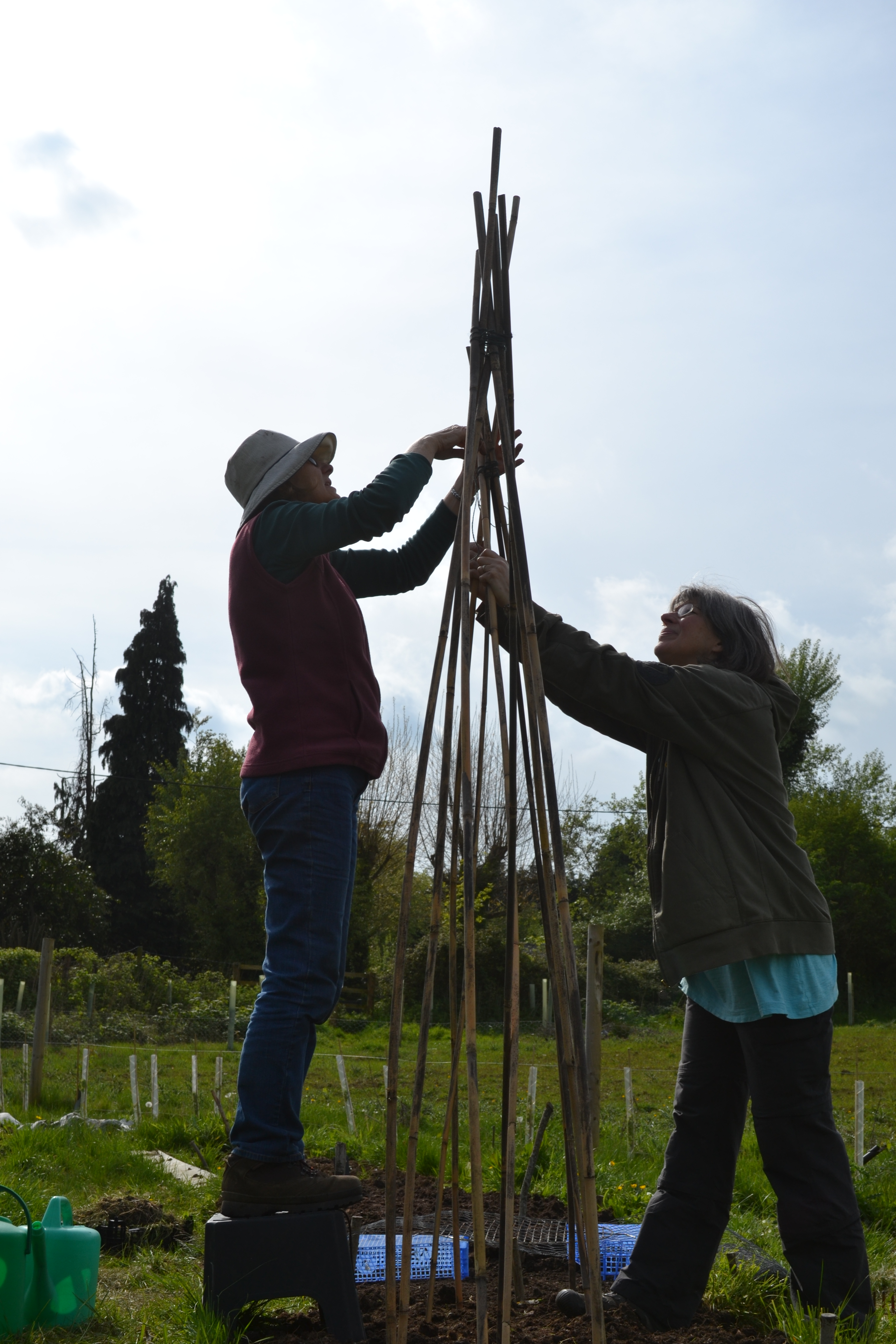
Emily and Louise putting in bean poles
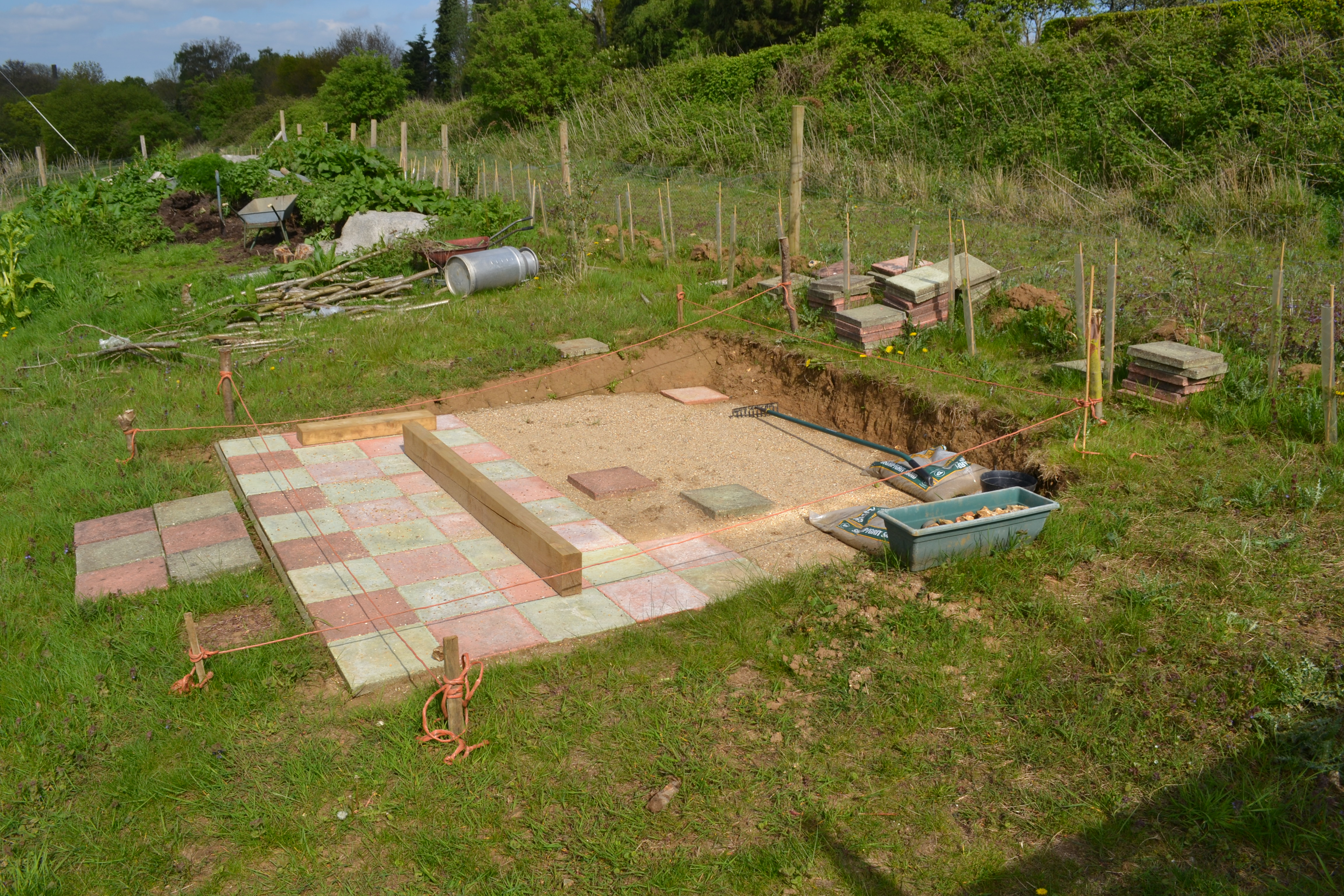
Base for the shed taking shape
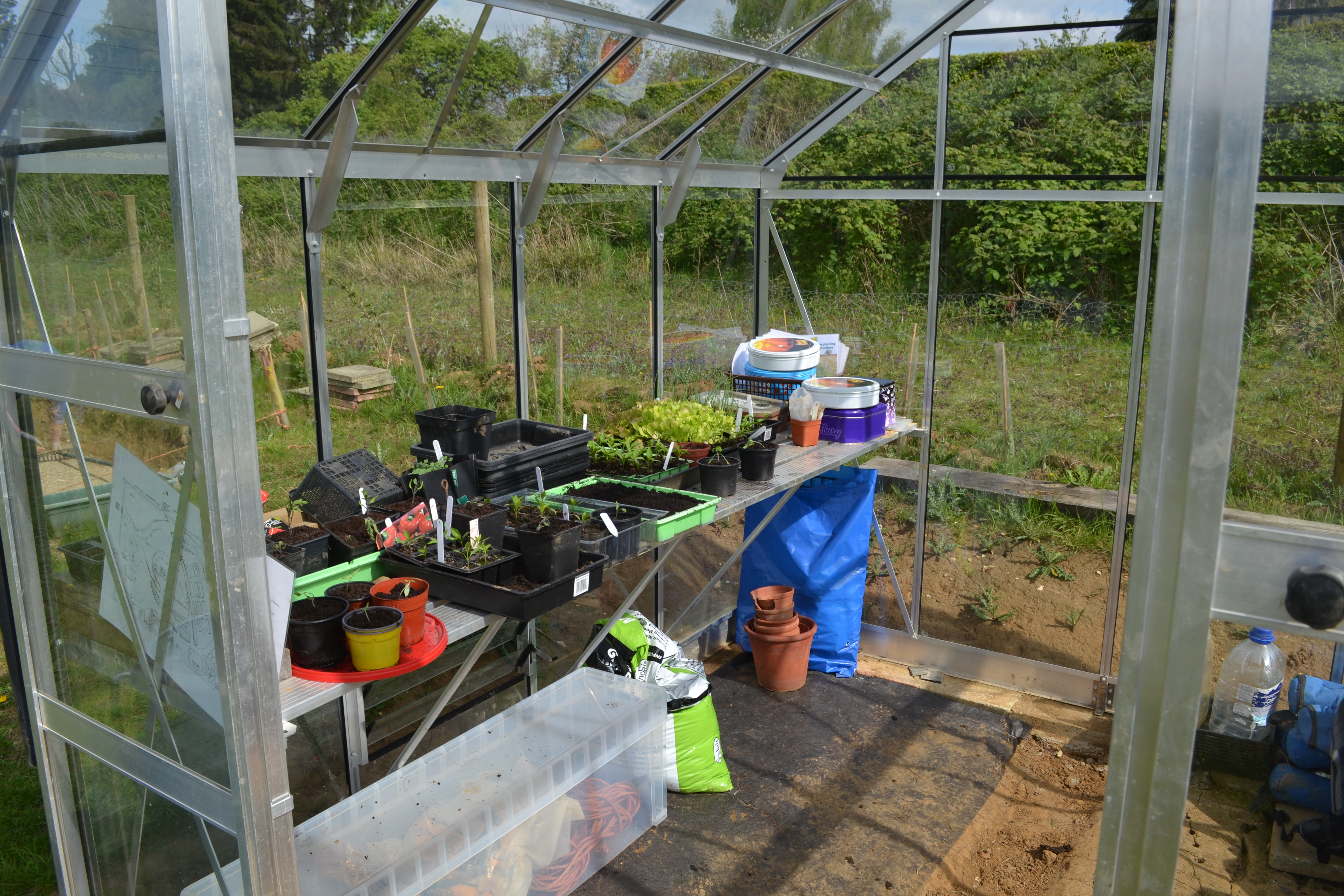
Growth in greenhouse

Dividing and replanting chives in the salad bed.
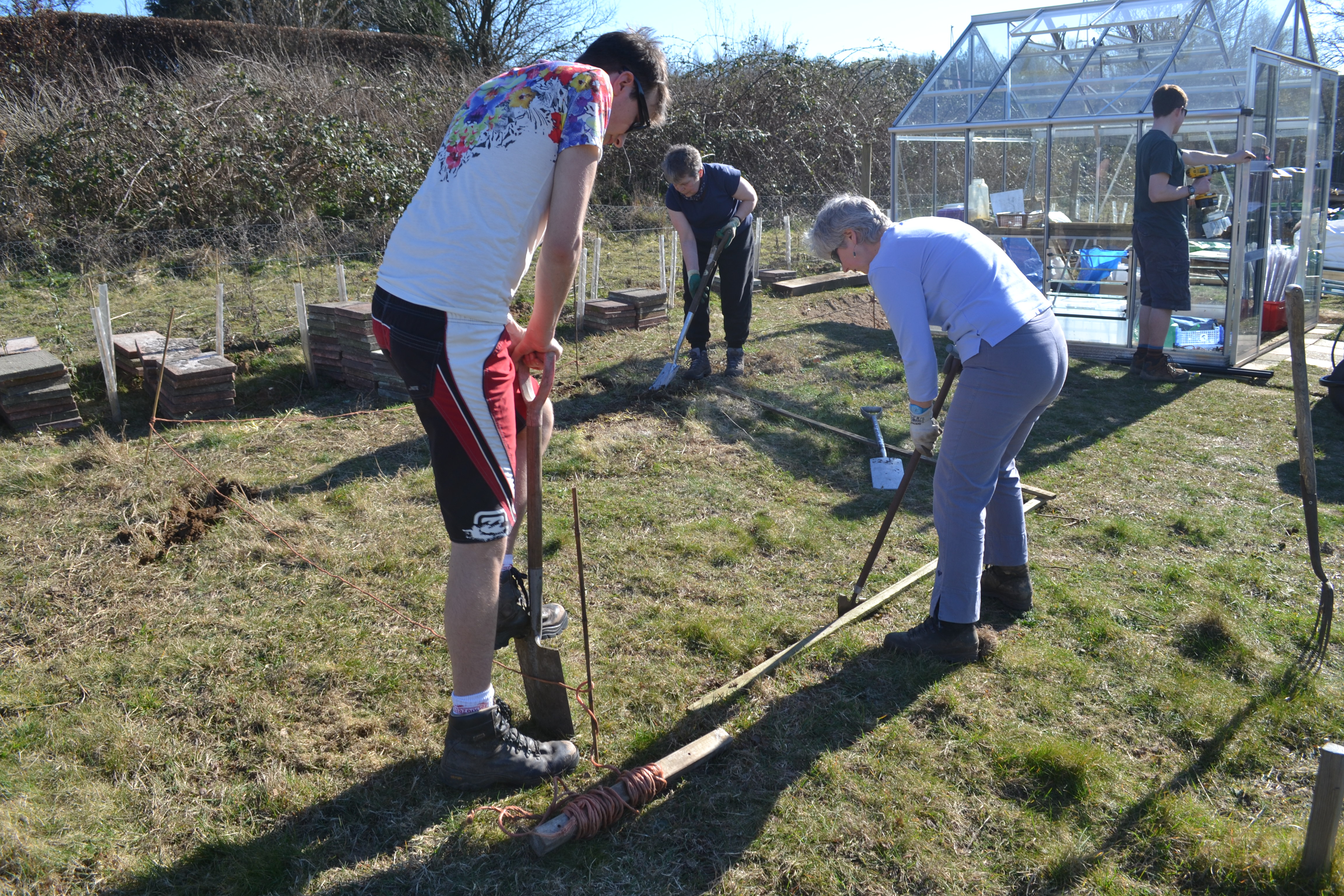
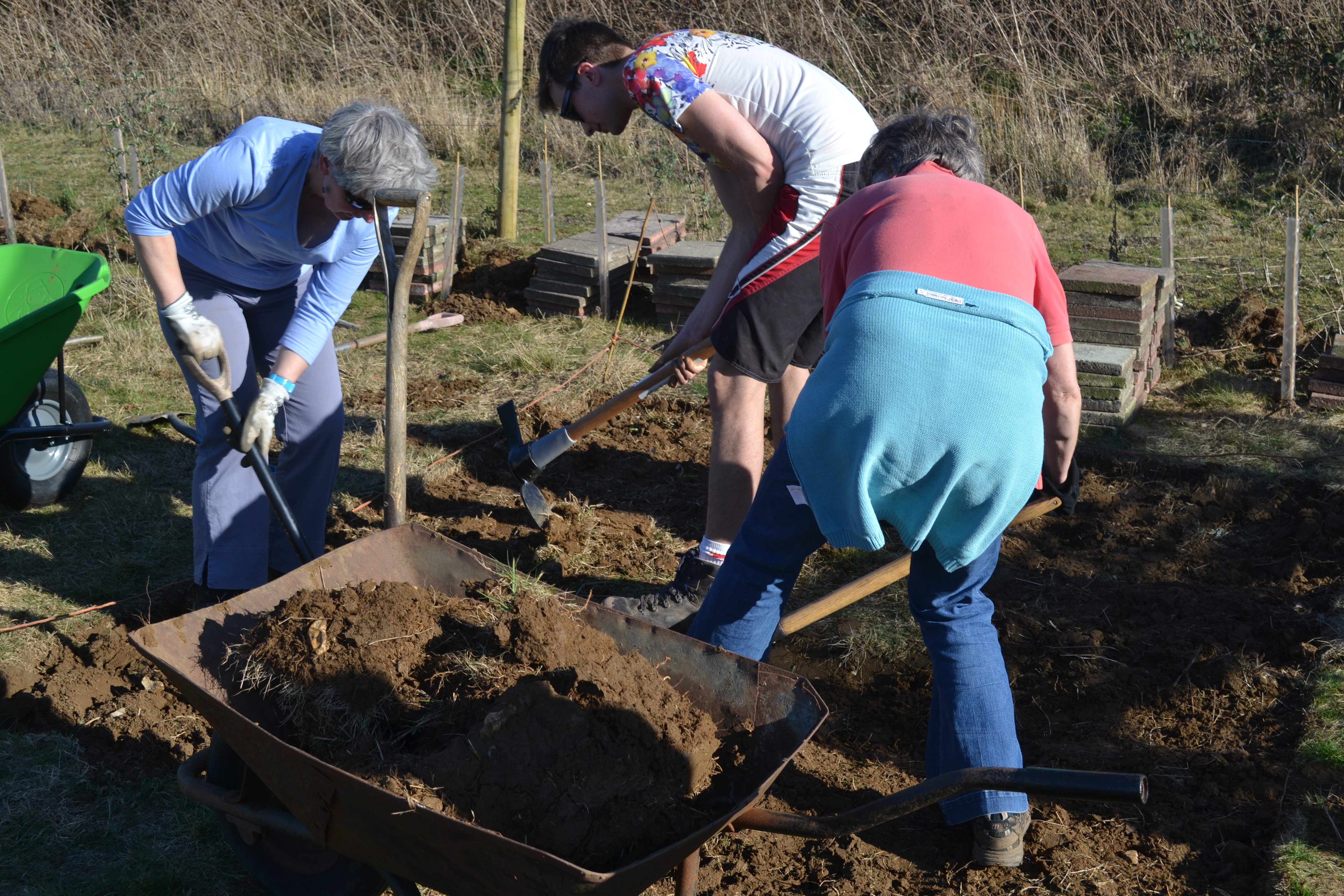
We have now dug out a space for the first shed, and begun to get foundation slabs level
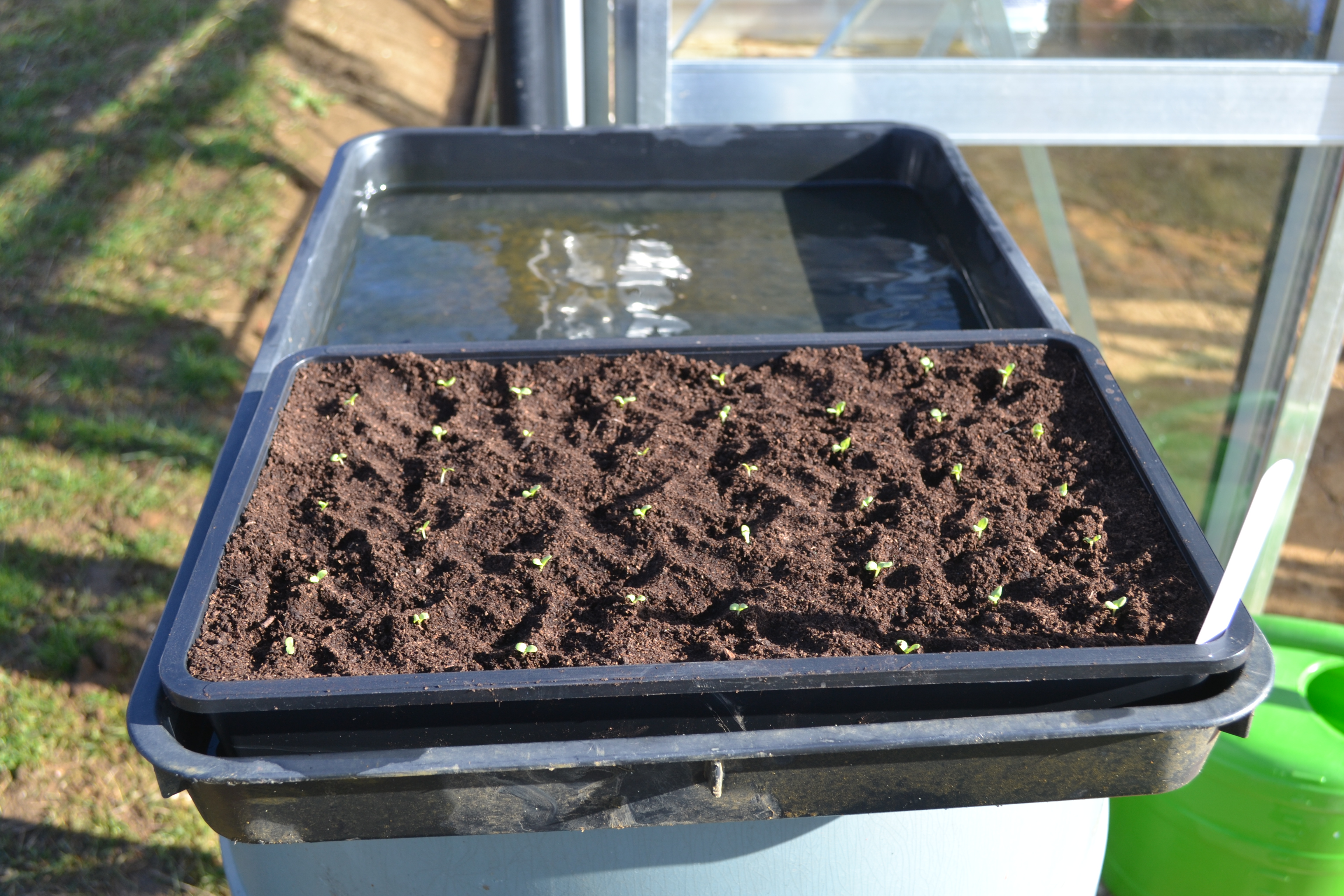
After a week, the tray of lettuce that Louise had sown had already germinated
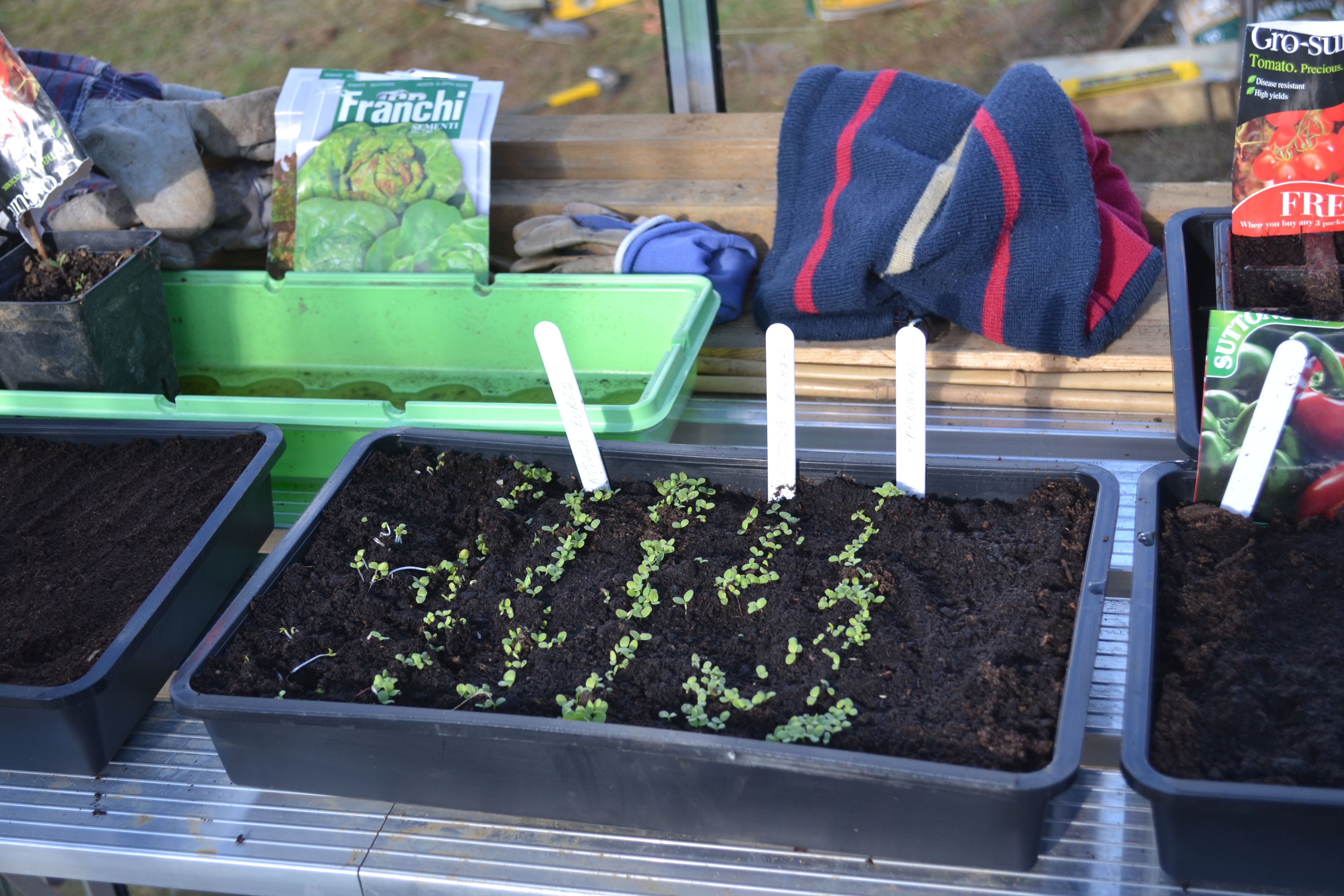
Now they need to be pricked out as soon as possible to give them more space to grow. The idea is to let them do this unchecked.
Emily & Lynn R took a dibber – a convenient twig – to lift each seedling out, holding it by the seed leaves, make a hole in a new seed tray, and put the seedling in this hole, burying its stem up to the level of the seed leaves
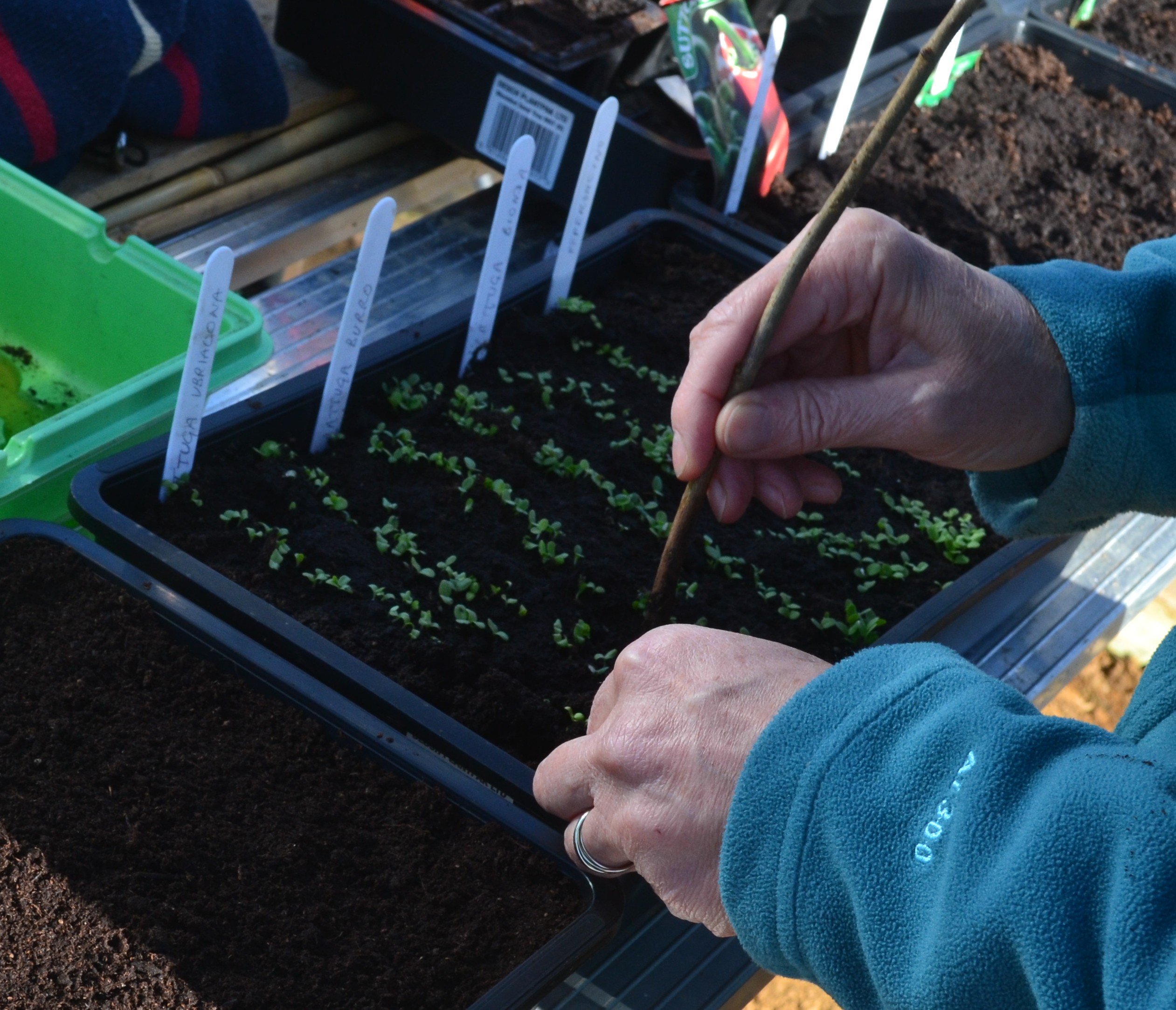
Once the tray was full, it was put in water to allow the compost to take up as much as posible without waterloging the seeds
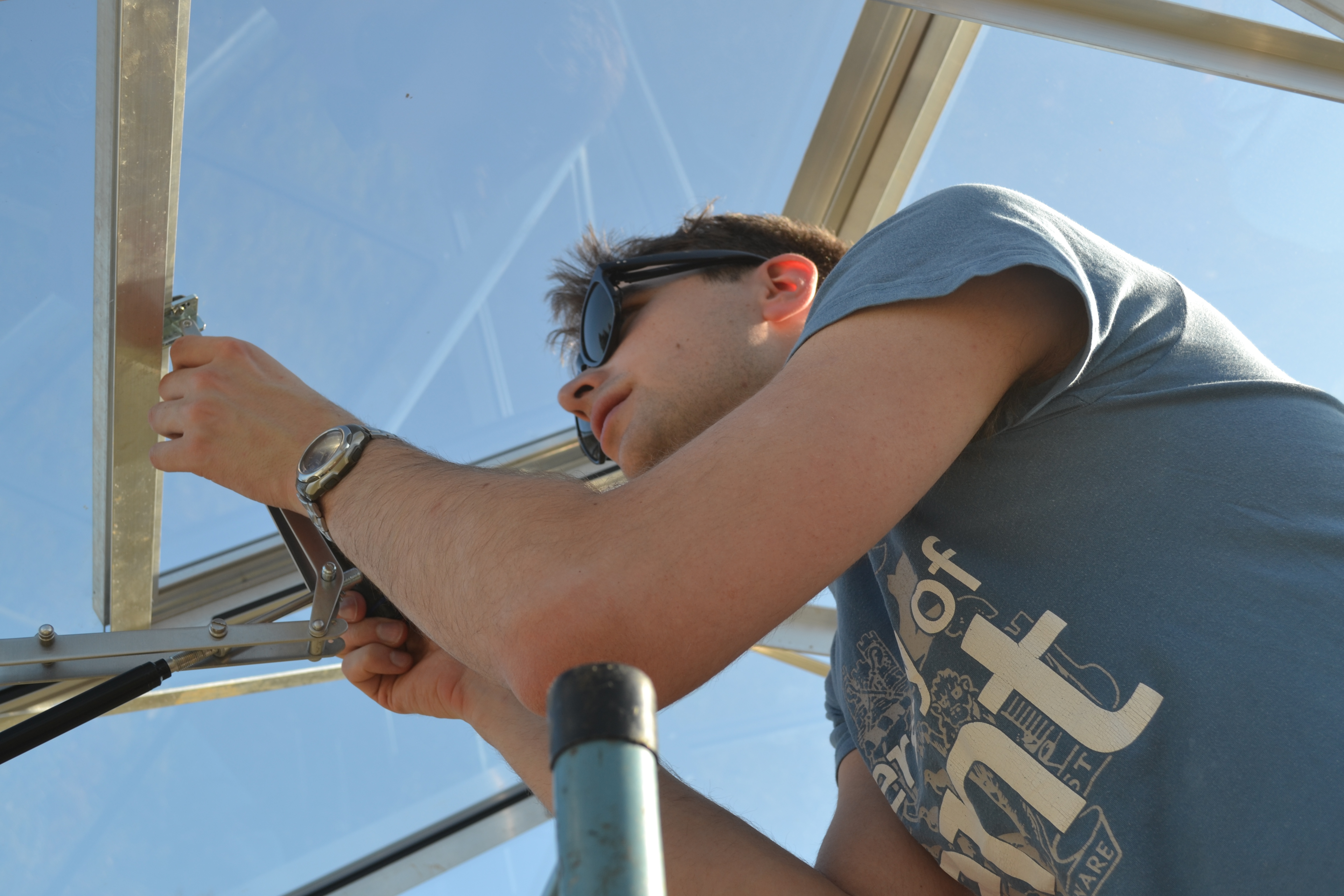
Adam and Benjamin finished fitting the autovents to the greenhouse on sunday
 Petersfield Community Garden